
 Business License

Raythink Infrared Panoramic Radar: Fortifying Airport Perimeter Security
The airport perimeter is the first safety barrier separating the flight area from the outside world. It is a critical line of defense against incidents threatening aviation safety, such as illegal intrusion, theft, and sabotage. A breached perimeter may lead to the intrusion of people or objects into core areas like runways and aprons, directly endangering the safe operation of aircraft.
Raythink owns leading infrared detection technology and advanced high-definition infrared stitching algorithms. It deploys infrared panoramic radar and dual-spectrum thermal imaging PTZ camera on airport towers. It integrates next-generation AI large models such as DeepSeek to build an intelligent analysis center. For airport security scenarios, this system achieves closed-loop management from environmental perception to intelligent analysis, providing strong support for perimeter governance decisions.
1. Fully Localized Self-Developed Detector
Raythink boasts independent R&D capabilities in infrared thermal imaging. Its products are equipped with fully localized 12μm infrared detectors, distinct from the commonly used 17μm detectors on the market—delivering clearer images and richer details at the same size.

Actual Shots of Different Pixel Sizes, 12μm vs. 17μm
2. Passive Detection, Zero Interference to Civil Aviation Communications
Infrared thermal imaging is an all-passive observation technology. Compared with traditional technical tools, it is less susceptible to interference and does not disrupt civil aviation communications, making it a safe and stable detection technology.

Traditional Radar
VS

Infrared Panoramic Radar
3. Multi-Target Intelligent Detection Algorithm
The system can detect targets including people, vehicles, ships, and UAVs, based on motion detection and air scene optimization algorithms. Its self-developed UFS detection algorithm can effectively identify low-altitude small targets, with visualization enabled immediately upon detection via thermal imaging images.

Infrared Panoramic Radar Recognition Effect Display

Screenshot of Mobile Trajectory Tracking System
4. 360° Panoramic Detection, Seamless Tracking
The infrared panoramic radar rotates once every 2 seconds. With self-developed image stitching algorithms, a single device can achieve panoramic monitoring and real-time tracking of target movement trajectories. It truly achieves long-range, clear, and comprehensive monitoring.

5. Dual-Spectrum Monitoring, All-Weather Perimeter Protection
Infrared thermal imaging has significant night vision advantages and can operate normally in severe weather such as heavy fog, haze, and rain. It ensures accurate target detection around the clock and in all weather conditions. It provides reliable support for security decision-making linking with visible light images for further identification and confirmation.

Backlight Comparison, Infrared Panoramic Radar vs. Visible Light

Night Comparison, Infrared Panoramic Radar vs. Visible Light

Extreme Weather (Haze) Comparison, Infrared Panoramic Radar vs. Visible Light
6. Raythink Product Recommendations

Recently Posted
-
International Day of Forests 2026: Safeguarding Forests and Economies with Thermal Imaging
April 24, 2026The theme of the International Day of Forests 2026, “Forests and Economies,” highlights the vital role forests play in supporting Read More
 -
Raythink Releases EV Lithium-ion Battery Thermal Safety White Paper
April 21, 2026As electric vehicles (EVs) continue their rapid global adoption, ensuring high-energy lithium-ion battery safety has become a crit Read More
 -
Application of Gas Detection Thermal Cameras in Environmental Monitoring
April 16, 2026In industrial production, energy transportation, cold chain operation and other scenarios, the leakage of VOCs (Volatile Organic C Read More
 -
Raythink’s AI-Powered Thermal Outdoor Security Cameras Protect Communities and Assets
April 14, 2026As winter conditions continue to impact parts of the United States and Europe, organizations are once again facing operational cha Read More

Contact Us
Recommended Products
-
 WN2 Imaging Thermal Module | Uncooled 12μm Infrared Camera Core With Multi-Resolution OptionsNegotiableMOQ: 1 Box
 -
640×512 High Resolution Uncooled Infrared OGI Camera RG630F for Petrochemical Gas SafetyUS$ 99999MOQ: 1 Set
-
RG630F AI Powered Handheld OGI Camera for Non-Contact Industrial Gas Leak Visual DetectionUS$ 99999MOQ: 1 Set
-
High-Sensitivity RG630C OGI Camera With Real-Time Gas Leak Monitoring & GPS TrackingNegotiableMOQ: 1 Set
-
Industrial-Grade RG630C OGI Camera for Oil, Gas and Petrochemical Leak MaintenanceNegotiableMOQ: 1 Set

-
AI-Powered RG630C Camera for Methane, Ammonia and SF6 Gas Leak VisualizationNegotiableMOQ: 1 Set
-
High-Resolution RG630C OGI Camera Compliant With EPA Appendix K for Gas Leak InspectionsNegotiableMOQ: 1 Set
-
RG630C Handheld OGI Camera for Non-Contact Visual Gas Leakage Detection & Safety MonitoringNegotiableMOQ: 1 Set
-
EX10 Infrared Thermal Imager for Precise HVAC Efficiency & Circuit Overheating ChecksNegotiableMOQ: 100 Sets
-
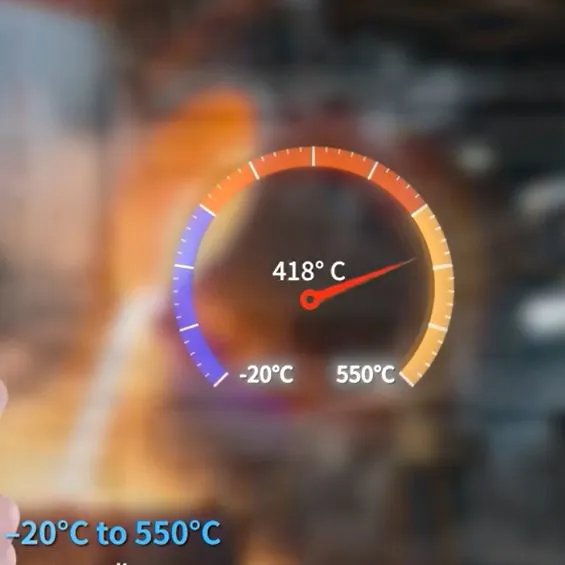
High-Performance EX10 Thermal Camera Enhancing Safety in Electrical MaintenanceNegotiableMOQ: 100 Sets
-
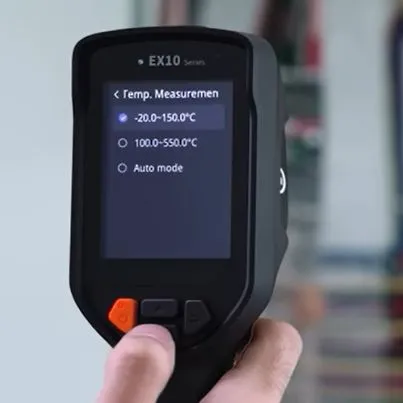
EX10 Thermal Imaging Device for Accurate Electrical & HVAC InspectionsNegotiableMOQ: 100 Sets
-
PC464A1 IP66 Rated Dual-Spectrum PTZ Camera With Thermal Imaging and 500m Surveillance RangeNegotiableMOQ: 100 Pieces
-
Raythink PC464A1 Dual-Spectrum PTZ Camera for Long-Range Perimeter Security and Fire DetectionNegotiableMOQ: 100 Pieces
-
PC464A1 Dual-Spectrum PTZ Camera With 30x Optical Zoom and AI Analytics for Critical Infrastructure SecurityNegotiableMOQ: 100 Pieces
-
High-Resolution 1280×1024 Uncooled VOx Infrared Thermal Imaging Module With LY300 ASICNegotiableMOQ: 1 Box
-
Long Wave Infrared Thermal Imaging Module TC 2-C With LY300 ASIC for Industrial MonitoringNegotiableMOQ: 1 Box
-
WN2 Series Uncooled Infrared Module With High-Frame-Rate 12μm WLP Detector for Intelligent Platform IntegrationNegotiableMOQ: 1 Box
-
RT630 Rugged Thermal Imaging Camera for Harsh Industrial Environments & Portable Electrical ChecksNegotiableMOQ: 50 Pieces
-
User-Friendly RT630 Thermal Camera With 8-Hour Battery & LCD Display for Field DiagnosticsNegotiableMOQ: 50 Pieces
-
Durable RT630 Thermal Imager With Enhanced Accuracy ±2°C/2% for Reliable Preventive MaintenanceNegotiableMOQ: 50 Pieces

