
 Business License

How Infrared Thermal Cameras Are Applied to Gas Leak Detection?
In petrochemical engineering, electric power, environmental supervision and other fields, gas leakage constitutes a major hazard threatening production safety and the environment. With its unique technical advantages, infrared thermal imagers have become the core tool for realizing “visualized” gas leak detection.
Principle of Gas Leak Detection
Gas and Infrared Radiation
All objects with a temperature above absolute zero emit infrared radiation, whose intensity is proportional to the object’s temperature. Therefore, objects at different temperatures emit infrared radiation of varying intensities.
When a gas is present, its molecules absorb, emit, or scatter infrared radiation. Due to differences in molecular structure and vibration modes, different gases absorb and emit infrared radiation at specific wavelengths.
Spectral Analysis and Gas Identification
When detecting gases, infrared thermal imagers use spectral analysis technology to identify the infrared radiation characteristics of specific gases. Each gas has a unique infrared absorption and emission spectrum, which can be captured and recognized by the infrared thermal imager.
When a gas leak occurs, the air temperature around the leak point changes as the leaking gas exchanges heat with the surrounding environment. This temperature change manifests as infrared radiation and is captured by the thermal imager. By analyzing the temperature distribution and variations in the infrared image, gas leak points can be identified and located.

Infrared Absorption Characteristics of Gases
Polar molecules have strong infrared absorbability and can be detected for leaks using infrared thermal imaging, such as CO₂, CH₄, SF₆, etc.
The following types of gases absorb very little infrared radiation and cannot be detected by infrared thermal imaging:
Monoatomic molecules: helium, argon, neon, xenon, etc.
Non‑polar diatomic molecules: nitrogen, oxygen, hydrogen, etc.
Main Advantages of Infrared Thermal Imaging for Gas Leak Detection
Non-contact Detection
The non-contact detection method of infrared thermal imaging avoids direct contact with equipment or gases. Especially when detecting toxic, harmful or high-temperature gases, this method significantly reduces operational risks. Meanwhile, as no physical contact is made with the equipment during inspection, damage to the target device is avoided, making it suitable for safety detection under complex working conditions.Long-distance Monitoring
Infrared thermal imagers support long-distance observation and can cover a wider area. They are particularly suitable for environments that are difficult for personnel to reach, such as high altitudes, deep wells or narrow spaces. Inspectors can quickly locate leakage points from a safe area, minimizing hazardous operations.Wide-range Rapid Scanning
Infrared thermal imagers support large-area real-time scanning, with significantly improved efficiency compared with traditional manual sniffing or point sensor inspection. Leak points are clearly displayed in thermal images, allowing inspectors to complete large-range troubleshooting in a short time, quickly locate abnormal areas, and shorten the inspection cycle.Visual Imaging
Infrared imaging can intuitively display leaked gas in the form of a “gas cloud”, making the leakage location and scope clear at a glance. Inspection results no longer rely on empirical judgment but are visually presented through images, enabling accurate positioning and reducing blind maintenance.Multi-Gas Detection Capability
Infrared gas imagers can detect multiple gases simultaneously, flexibly meeting application requirements in different scenarios. With the advantage of “one instrument for multiple uses”, they not only achieve efficient monitoring but also help enhance equipment utilization and return on investment.Safe and Eco-Friendly Detection
The detection process requires no chemical reagents and produces no secondary pollution, with no negative impacts on operators’ health or the environment. Meanwhile, quickly detecting and reducing gas leaks helps mitigate environmental harm, making it a green and eco-friendly detection method.


Common Application Areas
Petrochemical Industry
VOCs Leak Detection
In the processes of petroleum refining, storage and transportation, and chemical production, volatile organic compounds (VOCs) leaks are relatively common. Infrared thermal imagers can intuitively present these invisible gases as dynamic images similar to “black smoke”, enabling inspectors to quickly detect gas leaks or abnormal emissions from a long distance, accurately locate the source of emissions, and greatly improve leak detection efficiency.Flammable Gas Leak Monitoring
Gases such as liquefied natural gas (LNG), liquefied petroleum gas (LPG), and ethylene are usually colorless and odorless, making them difficult to detect in a timely manner usingwith traditional methods. However, once these gases come into contact with an ignition source, they are highly prone to causing explosions or fires. Infrared thermal imagers can perform visualized detection of leaking gases by capturing the differences in infrared radiation generated during gas release, helping enterprises identify potential risks in a timely manner, take preventive measures in advance, and avoid accidents.Emergency Monitoring of Leak Accidents
In sudden leak accidents, infrared thermal imagers can quickly identify the gas diffusion path and locate the leak source, providing critical on-site datainformation for emergency personnel. Through real-time visualized monitoring, they help enterprises quickly formulate disposal plans, shorten the response time, and reduce the scope of accident impact.


Electric Power Industry
SF₆ Gas Leak Detection
SF₆ is widely used in high-voltage electrical equipment. Once a leak occurs, it not only degrades the insulation performance of equipment but also causes environmental pollution. Infrared thermal imagers can sensitively capture the characteristic signals of SF₆ leakage, enabling long-distance rapid detection and accurate positioning, thus improving the operation and maintenance efficiency of power equipment.Electrical Equipment Temperature Monitoring
In addition to gas detection, infrared thermal imagers can also be used for temperature monitoring of power equipment. Through non-contact detection, the temperature distribution on the equipment surface is obtained in real time, helping operation and maintenance personnel promptly detect potential faults such as overheating, poor contact or abnormal load, providing an important basis for equipment health management.


Environmental Supervision Industry
VOCs Emission Detection
Monitoring of volatile organic compounds (VOCs) is critical in environmental supervision and enterprise emission management. Infrared thermal imagers convert invisible gases into visual images, enabling intuitive display of VOCs leaks or illegal emissions, helping inspectors quickly identify pollution sources.Evidence Collection for Environmental Supervision
Traditional environmental supervision mostly relies on empirical judgment or close-range on-site sampling, which is inefficient and carries safety risks. Gas infrared thermal imagers can record gas emission images remotely in real time, providing intuitive and reliable data for relevant departments, improving supervision efficiency and transparency.Emergency Monitoring for Sudden Environmental Incidents
In sudden environmental incidents such as chemical leaks or gas diffusion, infrared thermal imagers can be quickly deployed to locate leak sources and analyze diffusion patterns, providing critical data support for emergency response and continuing to play a role in post-incident environmental assessmentevaluation.


Raythink Product Recommendations
From high-sensitivity handheld OGI (Optical Gas Imaging) cameras to 24/7 fixed online monitoring systems, we provide comprehensive thermal imaging solutions for the most demanding leak detection environments.
Upgrade your safety protocols with “Visualized” detection—protecting personnel, assets, and the environment

RG630C OGI Handheld Camera

RG630F OGI Handheld Camera

TE464G1 Explosion-Proof Gas Imaging PTZ
Recently Posted
-
International Day of Forests 2026: Safeguarding Forests and Economies with Thermal Imaging
April 24, 2026The theme of the International Day of Forests 2026, “Forests and Economies,” highlights the vital role forests play in supporting Read More
 -
Raythink Releases EV Lithium-ion Battery Thermal Safety White Paper
April 21, 2026As electric vehicles (EVs) continue their rapid global adoption, ensuring high-energy lithium-ion battery safety has become a crit Read More
 -
Application of Gas Detection Thermal Cameras in Environmental Monitoring
April 16, 2026In industrial production, energy transportation, cold chain operation and other scenarios, the leakage of VOCs (Volatile Organic C Read More
 -
Raythink’s AI-Powered Thermal Outdoor Security Cameras Protect Communities and Assets
April 14, 2026As winter conditions continue to impact parts of the United States and Europe, organizations are once again facing operational cha Read More

Contact Us
Recommended Products
-
 WN2 Imaging Thermal Module | Uncooled 12μm Infrared Camera Core With Multi-Resolution OptionsNegotiableMOQ: 1 Box
 -
640×512 High Resolution Uncooled Infrared OGI Camera RG630F for Petrochemical Gas SafetyUS$ 99999MOQ: 1 Set
-
RG630F AI Powered Handheld OGI Camera for Non-Contact Industrial Gas Leak Visual DetectionUS$ 99999MOQ: 1 Set
-
High-Sensitivity RG630C OGI Camera With Real-Time Gas Leak Monitoring & GPS TrackingNegotiableMOQ: 1 Set
-
Industrial-Grade RG630C OGI Camera for Oil, Gas and Petrochemical Leak MaintenanceNegotiableMOQ: 1 Set

-
AI-Powered RG630C Camera for Methane, Ammonia and SF6 Gas Leak VisualizationNegotiableMOQ: 1 Set
-
High-Resolution RG630C OGI Camera Compliant With EPA Appendix K for Gas Leak InspectionsNegotiableMOQ: 1 Set
-
RG630C Handheld OGI Camera for Non-Contact Visual Gas Leakage Detection & Safety MonitoringNegotiableMOQ: 1 Set
-
EX10 Infrared Thermal Imager for Precise HVAC Efficiency & Circuit Overheating ChecksNegotiableMOQ: 100 Sets
-
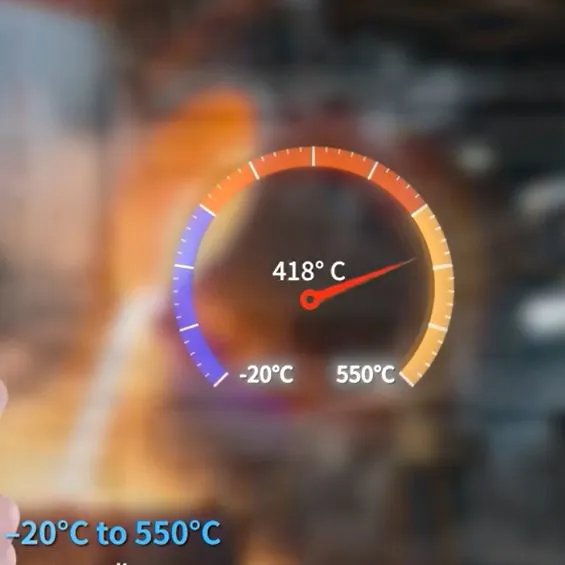
High-Performance EX10 Thermal Camera Enhancing Safety in Electrical MaintenanceNegotiableMOQ: 100 Sets
-
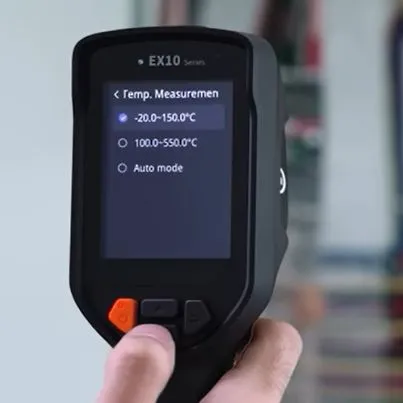
EX10 Thermal Imaging Device for Accurate Electrical & HVAC InspectionsNegotiableMOQ: 100 Sets
-
PC464A1 IP66 Rated Dual-Spectrum PTZ Camera With Thermal Imaging and 500m Surveillance RangeNegotiableMOQ: 100 Pieces
-
Raythink PC464A1 Dual-Spectrum PTZ Camera for Long-Range Perimeter Security and Fire DetectionNegotiableMOQ: 100 Pieces
-
PC464A1 Dual-Spectrum PTZ Camera With 30x Optical Zoom and AI Analytics for Critical Infrastructure SecurityNegotiableMOQ: 100 Pieces
-
High-Resolution 1280×1024 Uncooled VOx Infrared Thermal Imaging Module With LY300 ASICNegotiableMOQ: 1 Box
-
Long Wave Infrared Thermal Imaging Module TC 2-C With LY300 ASIC for Industrial MonitoringNegotiableMOQ: 1 Box
-
WN2 Series Uncooled Infrared Module With High-Frame-Rate 12μm WLP Detector for Intelligent Platform IntegrationNegotiableMOQ: 1 Box
-
RT630 Rugged Thermal Imaging Camera for Harsh Industrial Environments & Portable Electrical ChecksNegotiableMOQ: 50 Pieces
-
User-Friendly RT630 Thermal Camera With 8-Hour Battery & LCD Display for Field DiagnosticsNegotiableMOQ: 50 Pieces
-
Durable RT630 Thermal Imager With Enhanced Accuracy ±2°C/2% for Reliable Preventive MaintenanceNegotiableMOQ: 50 Pieces

