
 Business License

Raythink’s AI-Powered Thermal Outdoor Security Cameras Protect Communities and Assets
As winter conditions continue to impact parts of the United States and Europe, organizations are once again facing operational challenges from snow, freezing rain, and dense fog. In response, Raythink highlighted the vital role of its AI-powered thermal imaging technology in ensuring uninterrupted outdoor security under harsh winter conditions.
1. Where Ordinary Cameras Fail, Thermal Imaging Prevails
Low visibility and strong winds: Snow, rain, fog, and gusts can blur camera views and obscure critical targets. Raythink’s thermal outdoor security cameras detect heat signatures to ensure precise imaging even in complete darkness, while PTZ models like the PC5 series feature electronic image stabilization to maintain steady monitoring even in strong winds.

PC5 Series PTZ cameras maintain clear, stable imaging in strong winds with EIS
Snow accumulation on lenses: Snow or frost can block conventional cameras, but Raythink’s IP66 PTZ thermal cameras are equipped with lens-heating systems and wipers to melt and remove snow.

Raythink PTZ thermal camera with built-in lens heater quickly clears snow (video sped up)
Glare: Reflections from snow or vehicle headlights can confuse traditional outdoor security cameras. In contrast, thermal imaging remains unaffected by reflected light, enabling Raythink systems to maintain accurate detection in highly reflective winter environments.

Thermal imaging (left) remains clear under severe glare conditions
False alarms: Moving branches, wind-driven snow, or reflective surfaces can trigger unnecessary alerts, yet Raythink’s AI intelligently distinguishes real threats from environmental noise, reducing false alarms while focusing on actual targets.

Raythink AI-powered thermal imaging filters out non-threats, minimizing false alarms
2. Real-World Applications Across Communities and Industries
Thanks to the unique benefits of thermal imaging, Raythink’s AI-powered outdoor security cameras deliver reliable protection across multiple winter environments. Equipped with advanced features such as line intrusion detection, AI-based target recognition and classification, and fire hotspot detection, these cameras provide a comprehensive solution for challenging winter conditions.
In residential communities, these outdoor security cameras monitor snow-covered streets and perimeters at night, detecting intruders while minimizing false alerts. Industrial sites, including factories, warehouses, and outdoor equipment such as boilers, pipelines, and power stations, benefit from continuous thermal monitoring, helping detect overheating or fire hazards caused by increased power loads and intensive heating operations.
Thermal imaging also supports wildlife monitoring and forest protection in harsh winter landscapes, detecting animals or early fire signs through snow and darkness where conventional cameras fail. By combining AI intelligence with all-weather performance, Raythink cameras protect people, assets, wildlife, and industrial operations alike.
With AI-driven thermal technology, Raythink enables communities and industries to maintain safety, visibility, and operational confidence—even amid the toughest winter storms.
Recently Posted
-
International Day of Forests 2026: Safeguarding Forests and Economies with Thermal Imaging
April 24, 2026The theme of the International Day of Forests 2026, “Forests and Economies,” highlights the vital role forests play in supporting Read More
 -
Raythink Releases EV Lithium-ion Battery Thermal Safety White Paper
April 21, 2026As electric vehicles (EVs) continue their rapid global adoption, ensuring high-energy lithium-ion battery safety has become a crit Read More
 -
Application of Gas Detection Thermal Cameras in Environmental Monitoring
April 16, 2026In industrial production, energy transportation, cold chain operation and other scenarios, the leakage of VOCs (Volatile Organic C Read More
 -
Cooled Vs Uncooled Infrared Detectors: Key Differences in Thermal Imaging Camera Selection
April 9, 2026In selecting thermal cameras, the type of infrared detector is often the key factor determining equipment performance and suitable Read More

Contact Us
Recommended Products
-
 WN2 Imaging Thermal Module | Uncooled 12μm Infrared Camera Core With Multi-Resolution OptionsNegotiableMOQ: 1 Box
 -
640×512 High Resolution Uncooled Infrared OGI Camera RG630F for Petrochemical Gas SafetyUS$ 99999MOQ: 1 Set
-
RG630F AI Powered Handheld OGI Camera for Non-Contact Industrial Gas Leak Visual DetectionUS$ 99999MOQ: 1 Set
-
High-Sensitivity RG630C OGI Camera With Real-Time Gas Leak Monitoring & GPS TrackingNegotiableMOQ: 1 Set
-
Industrial-Grade RG630C OGI Camera for Oil, Gas and Petrochemical Leak MaintenanceNegotiableMOQ: 1 Set

-
AI-Powered RG630C Camera for Methane, Ammonia and SF6 Gas Leak VisualizationNegotiableMOQ: 1 Set
-
High-Resolution RG630C OGI Camera Compliant With EPA Appendix K for Gas Leak InspectionsNegotiableMOQ: 1 Set
-
RG630C Handheld OGI Camera for Non-Contact Visual Gas Leakage Detection & Safety MonitoringNegotiableMOQ: 1 Set
-
EX10 Infrared Thermal Imager for Precise HVAC Efficiency & Circuit Overheating ChecksNegotiableMOQ: 100 Sets
-
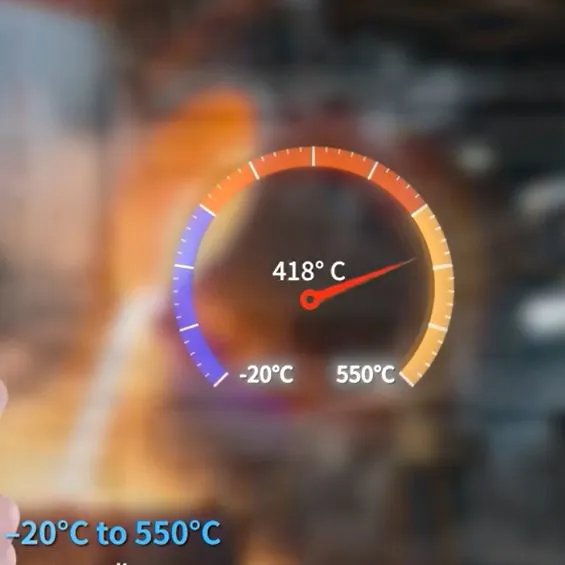
High-Performance EX10 Thermal Camera Enhancing Safety in Electrical MaintenanceNegotiableMOQ: 100 Sets
-
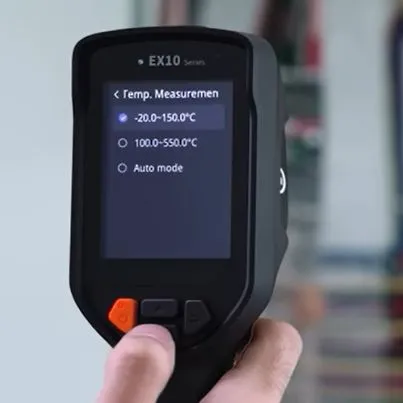
EX10 Thermal Imaging Device for Accurate Electrical & HVAC InspectionsNegotiableMOQ: 100 Sets
-
PC464A1 IP66 Rated Dual-Spectrum PTZ Camera With Thermal Imaging and 500m Surveillance RangeNegotiableMOQ: 100 Pieces
-
Raythink PC464A1 Dual-Spectrum PTZ Camera for Long-Range Perimeter Security and Fire DetectionNegotiableMOQ: 100 Pieces
-
PC464A1 Dual-Spectrum PTZ Camera With 30x Optical Zoom and AI Analytics for Critical Infrastructure SecurityNegotiableMOQ: 100 Pieces
-
High-Resolution 1280×1024 Uncooled VOx Infrared Thermal Imaging Module With LY300 ASICNegotiableMOQ: 1 Box
-
Long Wave Infrared Thermal Imaging Module TC 2-C With LY300 ASIC for Industrial MonitoringNegotiableMOQ: 1 Box
-
WN2 Series Uncooled Infrared Module With High-Frame-Rate 12μm WLP Detector for Intelligent Platform IntegrationNegotiableMOQ: 1 Box
-
RT630 Rugged Thermal Imaging Camera for Harsh Industrial Environments & Portable Electrical ChecksNegotiableMOQ: 50 Pieces
-
User-Friendly RT630 Thermal Camera With 8-Hour Battery & LCD Display for Field DiagnosticsNegotiableMOQ: 50 Pieces
-
Durable RT630 Thermal Imager With Enhanced Accuracy ±2°C/2% for Reliable Preventive MaintenanceNegotiableMOQ: 50 Pieces

