
 Business License

A New Paradigm of Infrared Thermal Cameras for Intelligent Monitoring and Early Fire Prevention Warn
As “the kidney of the Earth”, wetlands serve as crucial stopovers for migratory birds, habitats for resident birds, and core carriers for maintaining biodiversity and ecological balance. However, the complexity of wetland environments (such as harsh weather conditions like nighttime, strong light, and backlight) has long restricted the accuracy of bird population monitoring. Traditional monitoring methods struggle to achieve 24/7, all-round dynamic tracking. Meanwhile, fire risks caused by human activities such as open burning, intentional ignition, and smoking pose potential threats to the wetland ecosystem and bird survival. Infrared thermal imaging combined with visible light dual-spectrum fusion technology, which leverages its unique technological advantages, has established a three-dimensional protection system of “intelligent monitoring + active early warning”. It not only penetrates environmental limitations with its “day-and-night visibility” to accurately capture bird activity trajectories but also provides early detection of fire hazards, building a solid technological defense line for wetland ecology and bird survival.

1. Bird Monitoring and Tracking
Infrared real-time detection + visible light linked capture: Front-end image monitoring is conducted through bird recognition thermal imaging dual-spectrum network intelligent dome cameras, which are connected to an intelligent visual computing platform integrated with bird recognition algorithms.
Once the infrared lens detects birds, it immediately triggers the visible light lens to capture and store images, creating a bird image capture database. This enables real-time detection, identification, tracking, and analysis of birds, facilitating the assessment of bird populations and behaviors, and providing data and technical support for bird ecological protection efforts.

2. Nighttime Monitoring and Protection
1) Day-and-Night Visibility
The infrared technology’s penetration and night vision capabilities are fully utilized. Especially in harsh environments such as nighttime, strong light, and backlight, clear imaging remains achievable, enabling effective monitoring of wetland bird activities. This truly realizes 24/7 real-time monitoring of targets, allowing for a detailed understanding of bird living habits to further conduct research and protection.
2) Visible Light Supplementary
Integrated with visible light cameras, it compensates for the limitations of infrared thermal images, such as low contrast and poor detail resolution. High-definition imaging and real-time bird capture provide a precise data basis for ecological assessment.

3. Early Warning of Wetland Fires
Infrared thermal cameras conduct fire prevention monitoring in wetlands, proactively identifying activities such as open burning, intentional ignition, and unauthorized smoking. Compared with conventional visible light monitoring, infrared thermal imaging for fire prevention enables early warning by detecting high-temperature points during the heat accumulation and smoldering stages before a fire breaks out. It detects abnormal temperature fluctuations in the monitored area, allowing for the rapid and effective detection of hidden fires and early alarms, truly preventing fires before they start.

4. Raythink's Product Recommendations

Recently Posted
-
International Day of Forests 2026: Safeguarding Forests and Economies with Thermal Imaging
April 24, 2026The theme of the International Day of Forests 2026, “Forests and Economies,” highlights the vital role forests play in supporting Read More
 -
Raythink Releases EV Lithium-ion Battery Thermal Safety White Paper
April 21, 2026As electric vehicles (EVs) continue their rapid global adoption, ensuring high-energy lithium-ion battery safety has become a crit Read More
 -
Application of Gas Detection Thermal Cameras in Environmental Monitoring
April 16, 2026In industrial production, energy transportation, cold chain operation and other scenarios, the leakage of VOCs (Volatile Organic C Read More
 -
Raythink’s AI-Powered Thermal Outdoor Security Cameras Protect Communities and Assets
April 14, 2026As winter conditions continue to impact parts of the United States and Europe, organizations are once again facing operational cha Read More

Contact Us
Recommended Products
-
 WN2 Imaging Thermal Module | Uncooled 12μm Infrared Camera Core With Multi-Resolution OptionsNegotiableMOQ: 1 Box
 -
640×512 High Resolution Uncooled Infrared OGI Camera RG630F for Petrochemical Gas SafetyUS$ 99999MOQ: 1 Set
-
RG630F AI Powered Handheld OGI Camera for Non-Contact Industrial Gas Leak Visual DetectionUS$ 99999MOQ: 1 Set
-
High-Sensitivity RG630C OGI Camera With Real-Time Gas Leak Monitoring & GPS TrackingNegotiableMOQ: 1 Set
-
Industrial-Grade RG630C OGI Camera for Oil, Gas and Petrochemical Leak MaintenanceNegotiableMOQ: 1 Set

-
AI-Powered RG630C Camera for Methane, Ammonia and SF6 Gas Leak VisualizationNegotiableMOQ: 1 Set
-
High-Resolution RG630C OGI Camera Compliant With EPA Appendix K for Gas Leak InspectionsNegotiableMOQ: 1 Set
-
RG630C Handheld OGI Camera for Non-Contact Visual Gas Leakage Detection & Safety MonitoringNegotiableMOQ: 1 Set
-
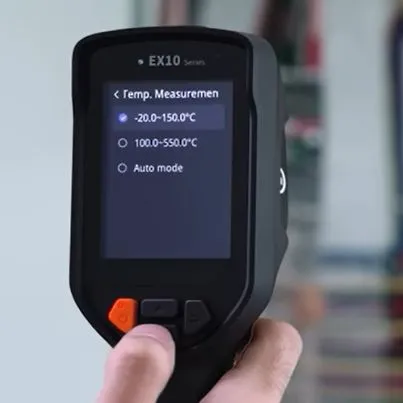
EX10 Infrared Thermal Imager for Precise HVAC Efficiency & Circuit Overheating ChecksNegotiableMOQ: 100 Sets
-
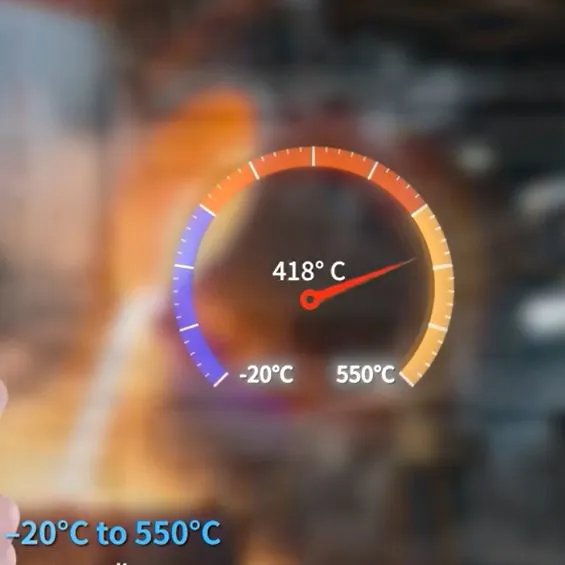
High-Performance EX10 Thermal Camera Enhancing Safety in Electrical MaintenanceNegotiableMOQ: 100 Sets
-
EX10 Thermal Imaging Device for Accurate Electrical & HVAC InspectionsNegotiableMOQ: 100 Sets
-
PC464A1 IP66 Rated Dual-Spectrum PTZ Camera With Thermal Imaging and 500m Surveillance RangeNegotiableMOQ: 100 Pieces
-
Raythink PC464A1 Dual-Spectrum PTZ Camera for Long-Range Perimeter Security and Fire DetectionNegotiableMOQ: 100 Pieces
-
PC464A1 Dual-Spectrum PTZ Camera With 30x Optical Zoom and AI Analytics for Critical Infrastructure SecurityNegotiableMOQ: 100 Pieces
-
High-Resolution 1280×1024 Uncooled VOx Infrared Thermal Imaging Module With LY300 ASICNegotiableMOQ: 1 Box
-
Long Wave Infrared Thermal Imaging Module TC 2-C With LY300 ASIC for Industrial MonitoringNegotiableMOQ: 1 Box
-
WN2 Series Uncooled Infrared Module With High-Frame-Rate 12μm WLP Detector for Intelligent Platform IntegrationNegotiableMOQ: 1 Box
-
RT630 Rugged Thermal Imaging Camera for Harsh Industrial Environments & Portable Electrical ChecksNegotiableMOQ: 50 Pieces
-
User-Friendly RT630 Thermal Camera With 8-Hour Battery & LCD Display for Field DiagnosticsNegotiableMOQ: 50 Pieces
-
Durable RT630 Thermal Imager With Enhanced Accuracy ±2°C/2% for Reliable Preventive MaintenanceNegotiableMOQ: 50 Pieces

